Flash of Blue, Whisper of Whiskers along Devon’s Rivers
Set out for riverbank walks across Devon where the flash of a kingfisher and the quiet ripple of an otter can transform a morning into a treasured memory. Today we explore where to spot kingfishers and otters on Devon’s riverbank walks, with respectful fieldcraft, practical timing, route ideas, conservation insight, and stories gathered from paths where patience and gentle footsteps are rewarded.

Reading Water Like a Naturalist

Stand still and watch the current slow where a bend creates a back-eddy, or where roots split the flow into ruffled, silver lines. Kingfishers prefer clear water with small fish holding near submerged branches. Otters often patrol gently along seams where fast meets slow. Train your eyes to notice repeating patterns, then linger there, letting movement reveal the small dramas that busy feet routinely miss.

Clues Left on the Bank

Rivers keep a diary. Look for small, neat splashes of white on overhanging twigs and rails beneath favored perches, a giveaway from a kingfisher’s feeding routine. Near stones or grass tussocks, otter spraint may appear, dark and fish-scented with glints of scale, set in obvious places as a message post. Light tracks, flattened rushes, or a muddy slide tell stories that reward careful, respectful curiosity.

Timing Your Walk for Magic Hours

Devon Routes That Reward Patience

Devon’s tapestry of rivers invites unhurried exploration. Waymarked paths and permissive stretches along well-known waterways provide varied habitats: shaded cutbanks, reed-fringed reaches, and gentle meanders beneath alder and willow. Rather than sprinting for distance, stroll with intention. Choose a short segment, revisit it across different tides and hours, and allow familiarity to turn ordinary corners into reliable stages for remarkable, respectful encounters.

Meanders of the River Otter and Lower Reaches

From pastoral bends upstream to tidal fringes downstream, the River Otter offers clear glides, gravel shallows, and reedbeds where small fish gather. Walkers often linger near quiet inlets and side channels, scanning overhanging branches for a sudden blue arrow. Keep to marked paths, give livestock space, and pause where the current slackens by old roots. Patience, not pace, becomes your most dependable guide here.

Shaded Bends on the Dart and Teign

Along wooded sections of the Dart and the Teign, dappled light cloaks steep banks and slow eddies beneath alder limbs. Choose stretches where the path rises above the water for a discreet vantage. Watch for a kingfisher’s low flight tracking the bank, and study smooth margins at dusk for an otter’s delicate V-shaped wake. Frequent brief halts, not constant marching, create opportunities that feel like gifts.

Calmer Stretches of the Taw and Torridge

Where the Taw or Torridge slackens near bends and floodplain meadows, visibility and sound carry better. Survey from bridges, scanning upstream first to keep disturbance behind you. After a quiet interval, work along one bank only, avoiding zigzags that alert wary wildlife. Look for perches set just above water level, and inspect gently shelving margins where bubbles, faint rings, or drifting fish scales subtly hint at hidden activity.

Fieldcraft That Respects Wildlife

True success means leaving the river unchanged, yet richer in your memory. Quiet clothing, soft steps, and generous distances protect sensitive nesting sites and resting holts. Resist the urge to chase fleeting movement. Accept that not every walk brings a sighting. Ethical choices—controlling dogs, avoiding trampling, keeping voices low—combine to create more sightings for everyone and safer routines for the creatures we admire.

Approach That Leaves No Trace

Move as though you are part of the landscape. Step on firm ground instead of fragile margins, and use established paths to prevent erosion. Choose natural cover instead of pushing into reeds. If a bird alarms or an otter changes direction, pause and give space. The most memorable moments often arrive after restraint, when stillness restores trust and the river resumes its everyday, wondrous work.

Sharing the Path with Dogs and Families
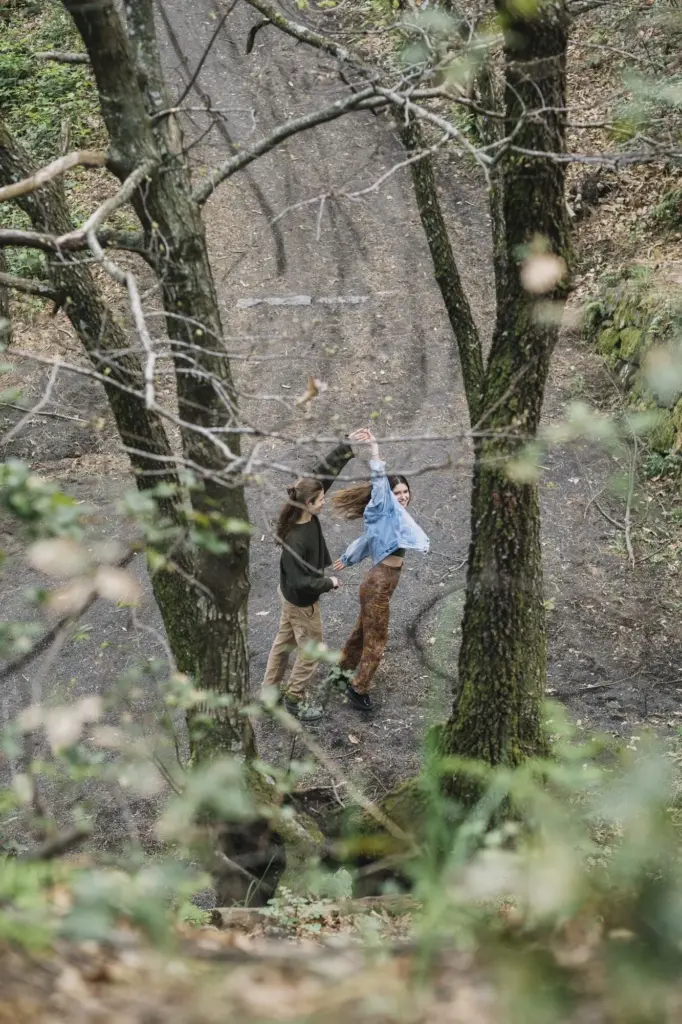
Bring curiosity and care in equal measure. Keep dogs close and under control, especially near nesting banks and low perches where a kingfisher may rest. Teach children to spot clues rather than pursue movement. Make games of quiet observation, counting ripples or listening for calls. A gentle pace transforms a simple family outing into an adventure where wildlife remains undisturbed and discovery feels deeply earned.

Photography Without Disturbance

Prioritize welfare over the shot. Use longer lenses, avoid flash, and never bait or approach nests or holts. Kneel at a respectful distance, compose through natural framing, and let the moment unfold without coaxing. Accept imperfect light if it preserves calm. Capturing honest behavior—however subtle—creates more meaningful images than any staged scene, and leaves the river’s daily rhythms intact for tomorrow’s walkers.

Understanding the Stars of the River

Knowing a little natural history transforms brief glimpses into layered experiences. Kingfishers rely on clear water and precise perches, while otters patrol large home ranges, marking and revisiting favored sites. Both benefit from healthier rivers, intact banks, and thoughtful access. When you learn their habits—quietly and humbly—you begin to predict possibilities, savor near-misses, and cherish the living complexity that stitches Devon’s waterways together.
Small and electrifying, the kingfisher hunts by sight from low perches, plunging headfirst with pinpoint accuracy. Clear, undisturbed pools help it locate prey. Nest burrows lie hidden within soft, vertical banks, far from footfall. Repeated, swift circuits along a favored stretch are common. If you notice a pattern, pause upstream, lower your profile, and let the river’s small sapphire return on its own timetable.
Often most active in low light, otters slip along margins, surfacing briefly to breathe and scan. Holts nestle among roots or cavities where safety and dryness meet quiet approach routes. Spraints mark social information on stones and tussocks. Watch for a smooth wake shaped like a gentle arrow. If you are patient and respectful, a curious glance may reward you from beneath a whiskered brow.

Stories from the Path

A Flash at the Willow Bend

I had paused to shake rain from a sleeve when a piercing note drew my eyes upstream. A sapphire streak skimmed the water’s skin, paused on a twig, and arrowed into a pool so clear I could see rings bloom outward. The world shrank to sound and color, then widened again, leaving gratitude where impatience had been a minute earlier.

Footprints Beneath the Old Bridge

I had paused to shake rain from a sleeve when a piercing note drew my eyes upstream. A sapphire streak skimmed the water’s skin, paused on a twig, and arrowed into a pool so clear I could see rings bloom outward. The world shrank to sound and color, then widened again, leaving gratitude where impatience had been a minute earlier.

The Missed Sighting That Taught Patience

I had paused to shake rain from a sleeve when a piercing note drew my eyes upstream. A sapphire streak skimmed the water’s skin, paused on a twig, and arrowed into a pool so clear I could see rings bloom outward. The world shrank to sound and color, then widened again, leaving gratitude where impatience had been a minute earlier.

Plan, Pack, and Share

A little preparation amplifies wonder while reducing impact. Choose a short, promising stretch, study access points, and track tides or river levels when relevant. Pack light, dress quietly, and bring warmth, water, and patience. Afterwards, share insights without revealing sensitive nesting or holt locations. Your stories can inspire care, celebrate small successes, and draw more allies to Devon’s living waterways.