
Footsteps Beside Devon’s Rivers: Watermills, Stone Arches, and Quiet Histories
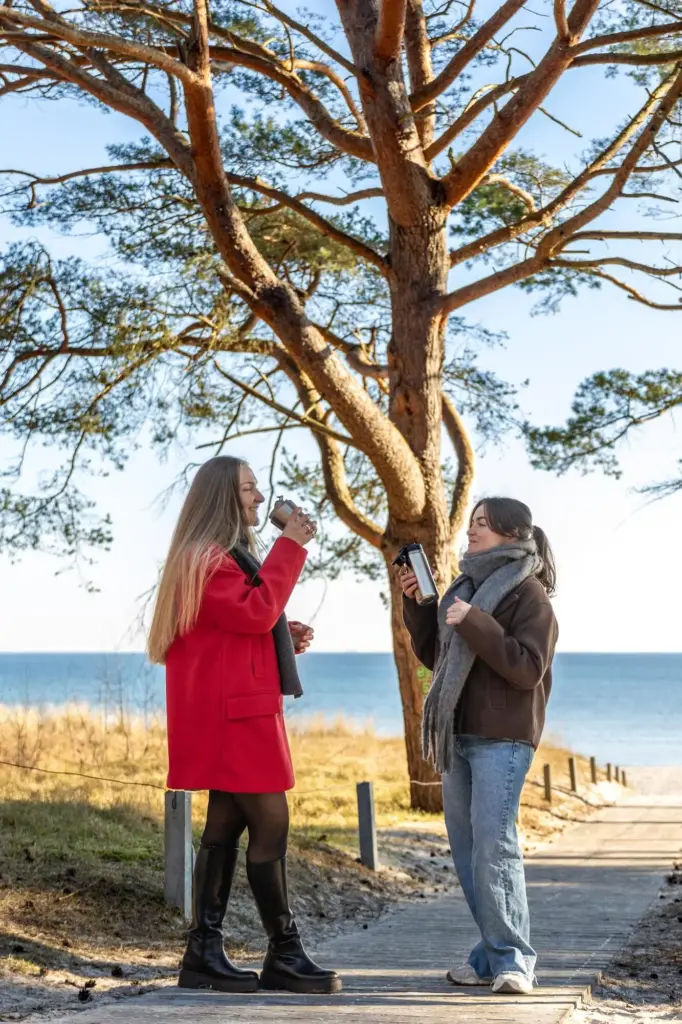
Today we explore Heritage Walks Along Devon Rivers: Historic Watermills and Stone Bridges, following gentle currents from Dartmoor tors to salt-scented estuaries. Expect stories of millstones humming, arches weathered by centuries, and footpaths stitched through meadows, orchards, and quays. With practical tips, heartfelt recollections, and maps in spirit, we invite you to lace boots, breathe slowly, and let riverlight show the way while learning from places where people and water have worked together for generations.

Choosing a River Corridor

Begin with character. Seek the Exe for bustling quays and medieval traces, the Dart for wooded drama and granite shadows, the Teign for high-perched paths and heart-lifting views, or the Otter for gentle meanders toward sea-light. Think about café stops near mills, bus routes home from bridges, family-friendly stiles, dog leads near livestock, and how distant thunder on the moor can quickly swell a quiet stream into urgent conversation.

Seasons and Light

Spring unrolls wild garlic along shady banks and casts soft reflections beneath old arches. Summer cools walkers in alder shade as dragonflies embroider the air. Autumn gilds stonework, turning every parapet and course into a painter’s lesson. Winter reveals structure, lifting leaf-curtains to show millraces, wheel pits, and abutments. Plan golden hours for photographs, pack layers against valley breezes, and time lunch for the mill courtyard where loaves steam and stories linger.

Respecting the Water

Rivers deserve patience and caution. After rain, stones grow slick and playful eddies can unsettle balance, especially near clapper slabs and narrow parapets. Keep to marked paths, avoid climbing on mill machinery, and heed signage protecting wildlife or historic fabric. Estuaries demand tide awareness; bridges and stepping stones may be awash when gulls ride upriver. Carry a small litter bag, steady a child’s hand on uneven steps, and let quiet places remain truly quiet.

Stories of the Waterwheel

Every wheel carries a ledger of flour-dusted mornings and careful adjustments of sluice and gear. Devon’s mills sang with grain, gossip, and the steady patience of water doing work. At Otterton Mill bread still warms palms, while Clyston keeps the craft alive in soft whirring. Hele Corn Mill whispers of resilience, and Exeter’s Cricklepit Mill turns in the city’s heart, reminding us that industry once moved with trout and tide in elegant partnership.

Stone Arches and Clapper Marvels

Bridge builders read rivers like long letters. Granite slabs on Dartmoor, known as clappers, turn bold practicality into sculpture, while ribbed arches carry lanes and legends across foam and time. Postbridge sprawls ancient confidence over the East Dart. Fingle Bridge courts romance beneath beeches in the Teign Gorge. Barnstaple’s Long Bridge strides the Taw with medieval poise, and Bickleigh’s span on the Exe holds market-day memories, tractor rattles, and wedding laughter in patient stone.

Postbridge Clapper Crossing

Walk out along the massive granite slabs and feel Dartmoor’s heft beneath your soles. The East Dart murmurs around boulders, delivering peat-dark reflections of cloud and lark. Early or late, when coaches thin, the place grows intimate; lichens bright as coins describe clean air, while pony hoofprints pucker the mud. Respect slippery edges, photograph the meet of engineering and landscape, and pause long enough to hear the moor’s old, weather-slendered syllables.

Fingle’s Romantic Span

Fingle Bridge curves across the Teign like a whispered invitation to linger. Below, amber currents lace past pebbles while walkers sip from flasks and choose between high, airy paths or riverside rambles. In spring, bluebells glow on the slopes; in autumn, beech leaves quilt the water in patient gold. Touch the parapet, trace tool marks, and consider the masons who set these stones, trusting mortar and courage to meet the gorge’s wet breath.

Walking Itineraries You Can Do This Weekend

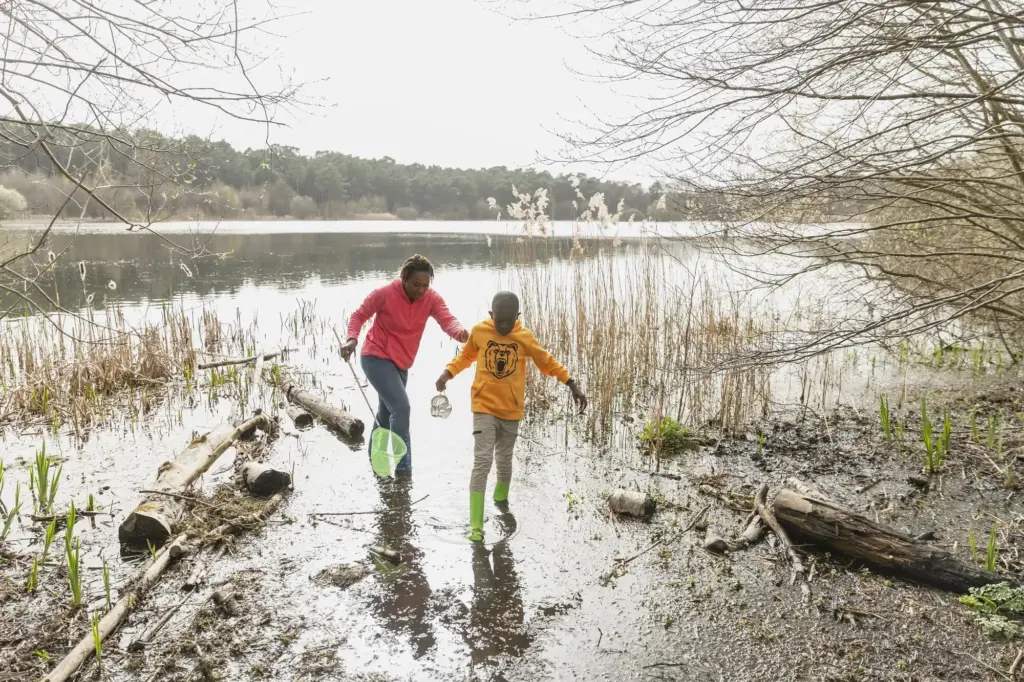
These three routes balance transport ease, varied scenery, and rich encounters with mills and bridges. Always check conditions, carrying layers and plenty of curiosity. Use trains or buses to stitch circular possibilities, and allow generous time for bakery queues or photograph delays. Keep dogs close near livestock and ground-nesting birds. Bring a small notebook for sketches, wheel diagrams, bridge parapet patterns, and overheard snippets that sparkle later like river-lifted mica in your journal.

Nature Notes Beside the Current

These walks double as quiet classrooms. Rivers announce seasons with birdsong, leaf tone, and insect choreography. Kingfishers ignite shadows; dippers curtsey on stones; otters leave perfumed spraints like marginalia for keen noses. Alder carrs anchor banks, meadows quilt floodplains, and reedbeds buffer wind. Notice how lichens grade air quality on bridge stones, and how footfall discipline keeps nests safe. The more we observe, the more each outing reads like a lovingly annotated field guide.

Your Photos and Footsteps

We would love to see where the river carried you. Post a picture of carved stone, millrace sparkle, or the picnic you shared beneath alder shade, then add a note about conditions and surprises. Did a volunteer’s anecdote transform understanding? Did the light bloom unexpectedly? Thoughtful captions help others plan considerate visits, saving time and safeguarding delicate spots so the next pair of boots finds beauty unspoiled and welcomes left gently waiting.

Join Local Guardians

Consider supporting groups who care for paths, mills, and bridges. A Saturday scrub of invasive weeds, a donation toward masonry repairs, or a day greeting visitors at an information desk can ripple outward like raindrops across a pool. Ask about training, lend a camera, bake for a fundraiser, or log wildlife sightings. Connection grows when hands pitch in, and heritage becomes less a museum and more a shared hearth warming walkers and neighbors alike.

Tell Us Where to Wander Next

Your suggestions steer our boots. Which Devon riverbank should we trace in deeper detail, and whose mill story deserves a long listen? Is there a hidden footbridge beside an orchard, or a café that pairs crumbly scones with archival maps? Comment with tips, questions, or corrections. We read everything, update routes, and return with careful research and friendly curiosity, keeping the current of shared knowledge bright, navigable, and welcoming for everyone.

Plan, Share, and Keep the Story Flowing

Your walk adds a fresh paragraph to a living history. Pack thoughtfully, invite a friend who loves old craft, and aim for slow miles that welcome mill tours and bridge sketches. Afterwards, share photographs, route tweaks, and café finds with fellow readers, tagging locations responsibly so fragile corners remain protected. Subscribe for future river journeys, ask questions about navigation or access, and tell us which wheelhouse, parapet curve, or riverside bench held your favorite moment.